2026 Top Coffee Machine Types for Global Buyers?

Time:2026-10-03 Author:Amelia
0%

Coffee culture is changing quickly, but buying decisions remain highly practical. The 2024 International Coffee Organization Coffee Report and Outlook estimated global coffee consumption at about 177 million 60-kilogram bags in 2023/24. More cups create demand for reliable brewing equipment, from compact capsule units to commercial espresso systems.

Market research points in the same direction. Grand View Research identifies automatic and semi-automatic machines as important growth segments, supported by home brewing, café expansion, and consumer interest in convenience. Euromonitor International also reports continuing investment in at-home coffee preparation across several mature markets. These findings matter, but they should not be treated as universal truths. A machine popular in Germany may be unsuitable for a hotel in Indonesia.

This guide examines the top Coffee Machine types for global buyers in 2026. It compares bean-to-cup, capsule, drip, espresso, French press, pour-over, and commercial models. Each section considers brewing quality, capacity, cleaning, energy use, water compatibility, warranty support, and total ownership cost. Small details matter. A removable brew group can simplify cleaning. A dual-voltage design can prevent costly installation problems. Local plug standards matter too.

The best choice is rarely the most expensive machine. It depends on daily volume, staff skill, available counter space, and regional service access. Some market forecasts appear overly confident. Real-world purchasing still requires caution, testing, and supplier verification. Based on industry reports and practical equipment considerations, this overview helps importers, retailers, hospitality buyers, and households make more defensible decisions in a changing global market.
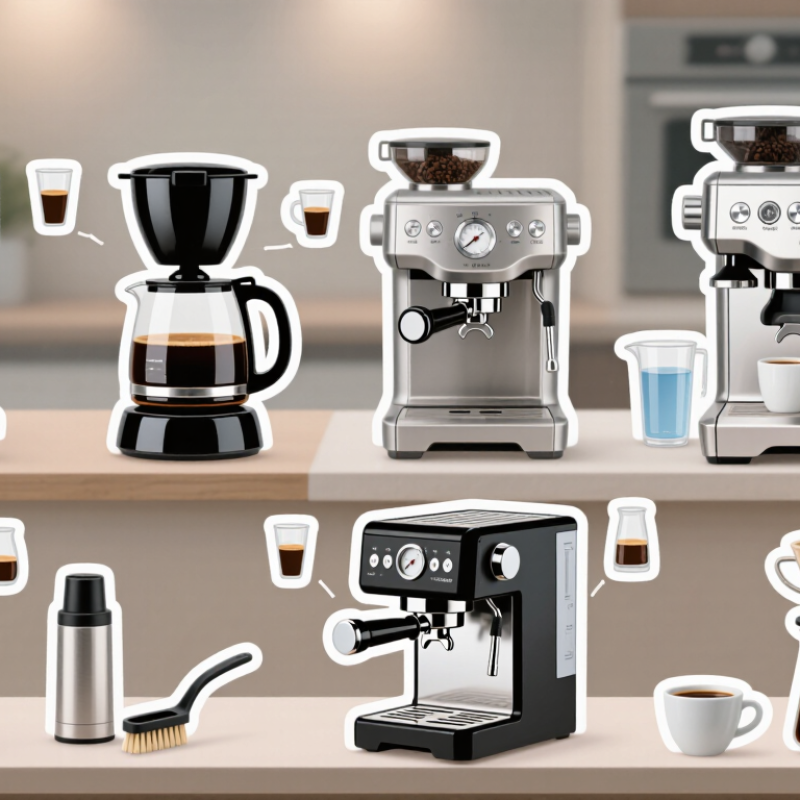
2026 Top Coffee Machine Types for Global Buyers?

Coffee Machine Categories and How They Work

2026 Top Coffee Machine Types for Global Buyers

Coffee machines differ mainly by brewing pressure, water flow, and user control. Drip machines heat water and release it over ground coffee through a filter. Gravity does most of the work. They suit offices, families, and buyers who value several cups at once.

Espresso machines force hot water through finely ground coffee under pressure. This creates a concentrated shot with crema and a stronger body. Capsule machines use pre-portioned coffee containers, reducing mess and measuring errors. Bean-to-cup machines grind beans, dose coffee, brew, and often steam milk automatically. Their convenience is impressive, but cleaning the grinder and milk path cannot be ignored. Manual press machines use steeping and hand pressure, offering control without electricity. Results can vary. That is part of the experience, though not always the best result.

Tips: Check voltage, plug type, water hardness, and available service support before importing. A compact machine may fit a small kitchen, but its tank could require frequent refilling. For espresso, confirm pump pressure and temperature stability, not only advertised features. For automatic models, inspect removable parts and cleaning instructions. I have found that simple controls often age better than complicated screens. Still, this is not universal; heavy users may prefer advanced programming. Test the workflow with your daily cup in mind, including grinding, brewing, rinsing, and waste removal.

2026 Top Coffee Machine Types for Global Buyers: Categories and How They Work

Typical preparation time per serving, based on standard brewing methods and commonly used operating ranges.

Preparation time varies with dose, cup size, water volume, and heating technology. Pump espresso systems force hot water through finely ground coffee under pressure, while drip systems pass heated water through a paper filter. Capsule systems use pre-portioned coffee, bean-to-cup machines grind and brew automatically, and manual brewers rely on steeping or stovetop pressure.

  • Drip / filter: Heated water flows gradually through ground coffee and a filter.
  • Capsule / pod: Hot water is pushed through a sealed, pre-portioned coffee capsule.
  • Pump espresso: Pressurized water passes through a compact coffee puck.
  • Bean-to-cup: The machine grinds whole beans, doses them, brews, and dispenses the drink automatically.
  • Moka pot: Steam pressure moves hot water upward through ground coffee on a stovetop.
  • French press: Ground coffee steeps in hot water before being separated by a plunger.

Key Features of the Top Coffee Machine Types in 2026

Coffee machine buyers in 2026 are comparing more than brewing speed. They want consistent flavor, simple cleaning, and reasonable energy use. Automatic bean-to-cup machines stand out for convenience. Their built-in grinders can adjust dose and grind size for each cup. Many models also offer temperature control and programmable strength settings. A removable brew unit makes routine maintenance easier. In practical use, this feature matters more than a glossy display.

Traditional espresso machines remain attractive to users who enjoy control. They usually include pressure gauges, steam wands, and adjustable extraction settings. A stable portafilter and precise temperature control can improve crema and flavor balance. However, learning the correct tamping pressure takes practice. Milk steaming also creates a real skill gap. Small errors show quickly.

Capsule machines provide fast, clean preparation for offices and small kitchens. Their compact design suits limited counter space. Some newer systems use recyclable materials and offer multiple drink sizes. Buyers should check capsule availability, waste handling, and long-term operating costs.

Drip coffee machines serve larger households with fewer steps. Look for programmable timers, thermal carafes, water filters, and even showerhead distribution. These features help maintain uniform extraction. Smart controls can be useful, but they are not essential. A complicated app may fail when the network is unstable. I would test cleaning access, noise, and heat retention before trusting specifications. The best choice depends on daily habits, not showroom appearance.

Best Coffee Machine Types for Different Buyer Needs

2026 Top Coffee Machine Types for Global Buyers

Best Coffee Machine Types for Different Buyer Needs

Choosing a coffee machine starts with daily habits, not fashionable features. Capsule machines suit busy users who want consistent cups with minimal measuring. Drip machines work well for families, offices, and anyone brewing several cups at once. Espresso machines offer stronger control over grind size, pressure, and milk texture. They require practice. Bean-to-cup machines are convenient for users who value fresh grinding and one-touch preparation, but their internal parts need regular cleaning.

Space and maintenance matter as much as flavor. A small kitchen may favor a compact capsule or manual espresso machine. A shared office may need a larger water tank and durable brewing parts. Check voltage, plug standards, warranty coverage, and local service access before importing. Water hardness can affect heating systems and taste. No machine is perfect. Convenience often reduces control, while control increases learning time.

Tips: Match the machine to your busiest morning. Measure your counter first. Choose removable water tanks and washable parts. For espresso, budget for a reliable grinder. Read cleaning instructions before purchase. Some buyers focus on pressure numbers, but extraction quality also depends on grind, dose, and temperature. My honest view is simple: the best choice may feel slightly boring, yet it should remain easy to use after six months.

Global Market Factors: Price, Power, Standards, and Availability

2026 Top Coffee Machine Types for Global Buyers?

Global buyers should compare coffee machines through local market conditions, not appearance alone. Drip machines suit offices and homes that value simple, repeatable brewing. Espresso machines offer more control, but they usually demand stronger electrical circuits and regular cleaning. Capsule systems are compact and convenient, yet compatible supplies may be difficult to source in smaller markets.

Price is only the starting point. Buyers should calculate shipping, import duties, installation, filters, water treatment, and replacement parts. A cheaper machine may create higher costs after six months. I have seen procurement plans fail because spare pumps were unavailable locally. That detail matters. Warranty response can also differ sharply between regions.

Power compatibility requires careful checking. Many markets use 110–120 volts at 60 hertz, while others use 220–240 volts at 50 hertz. A plug adapter does not correct voltage or frequency. Safety compliance must match the destination market, including electrical testing, labeling, and food-contact requirements. Documentation should be reviewed before payment. Availability is equally practical: confirm local service skills, stock levels, delivery times, and water-quality guidance. My earlier assumption that popular models were easy to maintain proved unreliable. Local technicians often prefer simpler designs, even when buyers request advanced features.

How to Choose the Right Coffee Machine for Your Market

2026 Top Coffee Machine Types for Global Buyers

How to Choose the Right Coffee Machine for Your Market

Choosing a coffee machine starts with local habits, not product excitement. Espresso machines suit cafés with trained staff and steady morning demand. Filter machines work well in offices, hotels, and breakfast areas. Capsule systems offer simple operation, but packaging costs and waste may affect acceptance. Bean-to-cup machines provide convenience, although they need regular cleaning and skilled maintenance support.

Market conditions matter. Check local voltage, plug standards, water hardness, counter space, and expected daily volume. A compact machine may fit a small café, yet its boiler could struggle during busy hours. Buyers should request performance data, warranty terms, spare-part availability, and operator training. I once focused too heavily on output speed. Later, cleaning time changed the purchasing decision. That mistake remains useful.

Tips: Test machines with local water and common serving sizes. Ask staff to prepare drinks during a busy simulation. Measure heat-up time, noise, recovery speed, and cleaning effort. Review safety certifications required in the destination market. Compare total ownership cost, not only the purchase price. A cheaper machine can become expensive when filters, repairs, and downtime accumulate. Consider customer preferences, too. Some markets value strong espresso, while others prefer mild filter coffee or milk-based drinks. Trial results may be imperfect, but they reveal practical problems that brochures often miss.

FAQS

What are the main types of coffee machines?

Common types include drip, espresso, capsule, bean-to-cup, and manual press machines. Each suits different routines.

How does a drip coffee machine work?

It heats water and releases it over ground coffee through a filter. Gravity handles most of the brewing.

What makes an espresso machine different?

It pushes hot water through finely ground coffee under pressure. The result is a concentrated shot with crema.

Is an espresso machine easy for beginners?

Not always. Tamping pressure, grinding, and milk steaming require practice. Small mistakes can quickly affect flavor.

Why choose a capsule machine?

Capsule machines offer fast preparation, clean counters, and consistent portions. They suit small kitchens and busy offices.

What should buyers check before choosing a capsule machine?

Check capsule availability, waste handling, drink sizes, and long-term running costs. Convenience may become expensive over time.

What does a bean-to-cup machine do automatically?

It grinds beans, measures coffee, brews the drink, and often steams milk. The workflow can be impressively simple.

Does a bean-to-cup machine require much maintenance?

Yes. Clean the grinder, brew unit, milk path, and removable parts regularly. Convenience does not remove cleaning work.

What should buyers check before importing a coffee machine?

Confirm voltage, plug type, water hardness, and local service support. A perfect machine may fail in an unsuitable electrical system.

Are advanced screens and smart controls necessary?

Not usually. Simple controls may age better, while heavy users might value programming. I would test the workflow before deciding.

How can buyers choose the right machine for daily use?

Consider grinding, brewing, rinsing, refilling, and waste removal. A small tank may need frequent refilling. Daily habits matter more than appearance.

Conclusion

In 2026, the global Coffee Machine market offers a wide range of categories, including manual brewers, capsule systems, automatic bean-to-cup machines, espresso machines, filter coffee makers, and commercial models. Each type works differently, from simple pressure or drip brewing to integrated grinding, extraction, milk preparation, and programmable controls. The top options are increasingly valued for ease of use, beverage consistency, energy efficiency, cleaning convenience, durability, and smart operation.

Choosing the best Coffee Machine depends on the buyer’s needs, such as household size, preferred drinks, usage frequency, budget, and available space. Global buyers should also consider regional price levels, voltage and frequency requirements, plug designs, import standards, warranty support, spare parts, and product availability. A practical selection should balance performance, maintenance, operating costs, local infrastructure, and consumer preferences to ensure reliable use in each target market.


Amelia

Amelia

Amelia is a seasoned marketing professional with a wealth of expertise in our company’s core offerings. With an unwavering passion for driving growth and innovation, she plays a pivotal role in shaping our marketing strategies and enhancing brand visibility. A key aspect of her responsibilities......