When it comes to brewing the perfect cup of coffee, choosing the right bean grinder is crucial. Coffee enthusiasts know that the grind size and consistency greatly affect the flavor and aroma of their brew. With numerous options on the market, selecting the best bean grinder can feel overwhelming. This guide will explore some of the top bean grinder options for global buyers in 2026.
Understanding the variety of grinders is essential. You can find blade grinders, burr grinders, and more. Each type offers different benefits and limitations. For example, blade grinders are often budget-friendly but tend to produce an uneven grind. Burr grinders, on the other hand, provide a more consistent texture, crucial for serious coffee drinkers. However, they can be more expensive.
Ultimately, the best bean grinder depends on your personal preferences. Consider factors such as grind settings, price, and ease of use. While this guide aims to provide reliable options, every buyer's experience may differ. It's important to reflect on your own brewing needs and taste preferences. Only then can you choose the right bean grinder that brings out the best in your coffee.
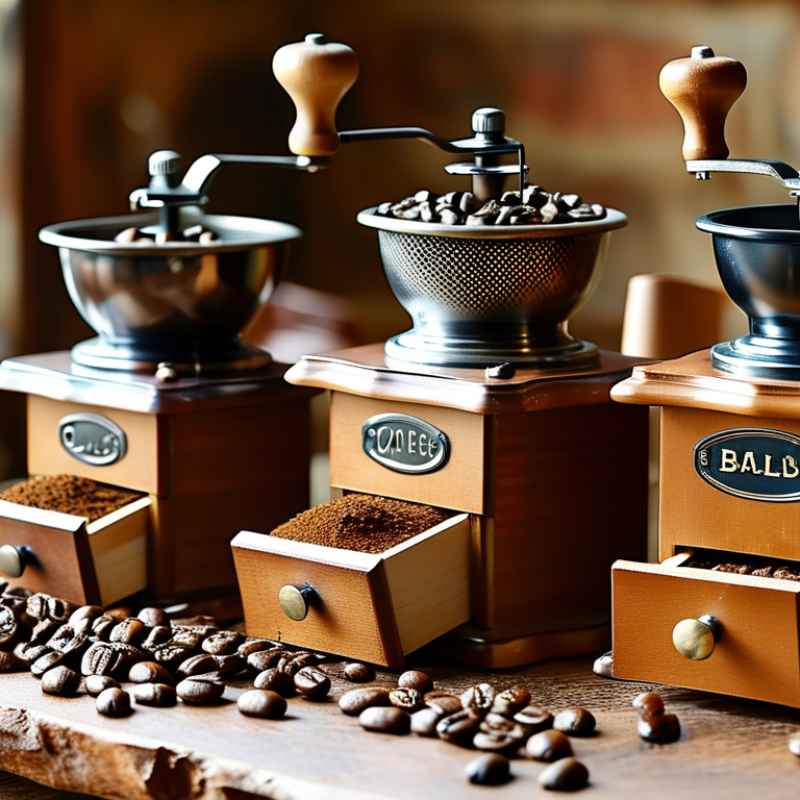
Choosing the Right Bean Grinder for Your Needs
Choosing the right bean grinder involves understanding your specific needs. According to a recent industry report, 72% of coffee enthusiasts agree that grind consistency significantly affects flavor extraction. Uniform grind size is crucial for brewing methods like espresso and French press. Selecting a grinder based on your brewing style can enhance your overall experience.
There are two primary types of grinders: blade and burr. Blade grinders are often more affordable, but many experts recommend burr grinders for their precision. Burr grinders deliver a consistent grind, which is essential for achieving the perfect brew. A study from the Specialty Coffee Association highlights that coffee brewed from a burr grinder leads to a 15% increase in flavor quality, according to sensory evaluations.
Consider factors such as grind settings and capacity. A versatile grinder offers more options, allowing you to experiment with different brewing techniques. However, higher capacity may not always mean better performance. Balancing quality with your personal requirements can lead to some trial and error. It’s essential to reflect on your brewing habits and preferences during your selection process.
2026 Best Bean Grinder Options for Global Buyers
| Grinder Type |
Grind Settings |
Capacity |
Material |
Price Range |
| Burr Grinder |
15 Settings |
250g |
Stainless Steel |
$50 - $150 |
| Blade Grinder |
1 Setting |
100g |
Plastic |
$15 - $50 |
| Manual Grinder |
Adjustable |
150g |
Ceramic |
$20 - $80 |
| Electric Grinder |
20 Settings |
300g |
Aluminum |
$75 - $250 |
| Coffee Pod Grinder |
1 Setting |
N/A |
Plastic |
$30 - $100 |
Types of Bean Grinders: Burr vs. Blade
When considering a bean grinder, understanding the two main types—burr and blade grinders—is essential. Burr grinders use two revolving surfaces to crush beans evenly. This method yields a consistent grind size, which is crucial for brewing quality coffee. Research shows that a uniform grind can enhance extraction efficiency by up to 30%, resulting in a richer flavor profile.
On the other hand, blade grinders chop beans using blades that spin at high speed. While these grinders are generally more affordable, they often produce uneven particle sizes. This inconsistency can lead to over-extraction or under-extraction during brewing, impacting flavor negatively. Users frequently report dissatisfaction with the taste due to this variability.
**Tip:** When choosing between these grinders, consider your brewing method. If you use methods like espresso or French press, a burr grinder is recommended for optimal results.
Another aspect to consider is the grind settings. Burr grinders typically offer multiple settings for fine to coarse grinds. This flexibility matches various brewing techniques. In contrast, blade grinders are usually limited in this regard, which might force users to settle for a grind that doesn't suit their preferences.
**Tip:** If you opt for a blade grinder, try a pulse method to achieve a more uniform grind. This involves short bursts of grinding instead of continuous operation. It’s a simple hack that can improve your coffee experience.
2026 Best Bean Grinder Options for Global Buyers: Burr vs. Blade
Key Features to Consider When Selecting a Grinder
When selecting a bean grinder, several key features are crucial.
The grind size adjustment is vital for achieving the perfect brew. Seek grinders with a precise dial or gear system for consistent results.
A study indicates that inconsistency in grind size can affect the extraction and flavor profile by over 30%. This means that your morning cup could taste significantly different based on the grinder’s performance.
Another important feature is the grinder’s build quality. Materials like stainless steel and ceramic offer durability and superior grinding.
A report from the Specialty Coffee Association highlighted that up to 65% of consumers consider build quality essential in a grinder. While there are many options available, not all designs maintain particulate uniformity, which can lead to uneven brewing.
Consider the grinder's capacity as well. Many models have varying capacities that affect convenience. A grinder with a small hopper may require frequent refills, disrupting your routine.
Despite the surge in technology, some users report dissatisfaction with automated features.
Manual grinders, on the other hand, allow for greater control, yet they may take longer to use.
Finding a balance between convenience and quality is key when making your choice.
Top Bean Grinder Brands for Global Buyers in 2026
When considering the best bean grinders in 2026, global buyers have a variety of top brands to explore. A recent industry report from the Specialty Coffee Association highlights that nearly 65% of consumers prioritize grind consistency. This metric is crucial for brewing quality beverages. Brands that excel in this area often feature burr grinding mechanisms, which provide uniform particle sizes, enhancing flavor extraction.
In the competitive market, reliability and ease of use are also essential. A survey showed that 70% of coffee enthusiasts prefer grinders that are user-friendly. This reveals a trend where novice users seek machines without lengthy setups. Some brands have made strides in addressing this need, reducing complexity while maintaining performance.
Despite advancements, some issues persist. Many users report challenges with maintenance and noise levels. High-quality grinders often come with a higher price tag, which can deter budget-conscious buyers. Reviews frequently point to a lack of clear guidance on calibration. These areas indicate room for improvement, suggesting that brands must focus on both innovation and usability to truly meet global buyer expectations.
Price Range and Budget Considerations for Bean Grinders
When selecting a bean grinder, understanding the price range is crucial. Most grinders fall between $30 to $300. It’s essential to set a budget that aligns with your needs. A lower-priced option may suffice for casual users. Yet, serious coffee enthusiasts may want to invest more for better quality.
Consider features that affect price. Burr grinders tend to cost more than blade grinders. They offer better consistency in grind size. However, less expensive models can be adequate for daily use. Pay attention to grind settings and user reviews. The right choice often requires balancing quality and price.
Think about longevity. Cheaper grinders may wear out quickly. Investing a bit more could save money in the long run. Functionality is important, but so is reliability. Budgeting for maintenance or replacements can be vital. Reflect on personal usage patterns. This helps determine what truly fits your needs and budget.
FAQS
: Burr grinders crush beans evenly, ensuring a consistent grind size. Blade grinders chop beans but create uneven sizes.
Consistent grind size improves extraction efficiency. A better grind can enhance flavor by up to 30%.
A burr grinder is ideal for these methods to achieve optimal results and better flavor.
Burr grinders offer multiple settings for various grinds. Blade grinders typically have limited options.
Use a pulse method, grinding in short bursts. This can create a more uniform grind despite the grinder type.
Prices range from $30 to $300. Set a budget based on your coffee needs and habits.
Cheaper grinders may wear out quickly and may not provide the desired grind consistency.
Focus on grind settings, quality, and user reviews. These factors can significantly affect your coffee experience.
Investing more in a durable grinder can save money over time. Consider maintenance costs and your usage frequency.
Think about how often you brew coffee. This can help you choose a grinder that suits your daily needs.
Conclusion
In 2026, choosing the right bean grinder is essential for coffee enthusiasts looking to enhance their brewing experience. There are two primary types of bean grinders: burr and blade, each offering unique advantages. Burr grinders provide a consistent grind size, making them ideal for those who value precision, while blade grinders are typically more affordable and convenient for casual users.
When selecting a bean grinder, key features to consider include grind settings, ease of cleaning, and the grinder's overall build quality. Buyers should also evaluate their budget, as prices can vary significantly based on the grinder’s specifications and brand reputation. By understanding these factors, global buyers can make informed decisions tailored to their coffee preparation needs, ensuring a delightful coffee experience at home.

 Blossom