In the culinary world, the right tools can transform cooking experiences. An "Oil Sprayer Bottle" is one such tool that has gained popularity among chefs and home cooks alike. Chef Emily Carter, a renowned culinary expert, once stated, "A good oil sprayer can change how you flavor your meals." This highlights the importance of oil sprayers in achieving perfect results.
When using an Oil Sprayer Bottle, precision is key. It allows for an even distribution of oil, enhancing the taste of your dishes without overwhelming them. However, many users struggle with refilling and cleaning these bottles. It’s essential to choose a design that is easy to maintain. This prevents stale oil build-up that can ruin flavors.
Achieving the perfect cooking experience with an Oil Sprayer Bottle requires some reflection and practice. Experimenting with different oils can elevate your dishes, but you might face challenges at first. Embrace the learning curve, and remember, perfecting your technique takes time.
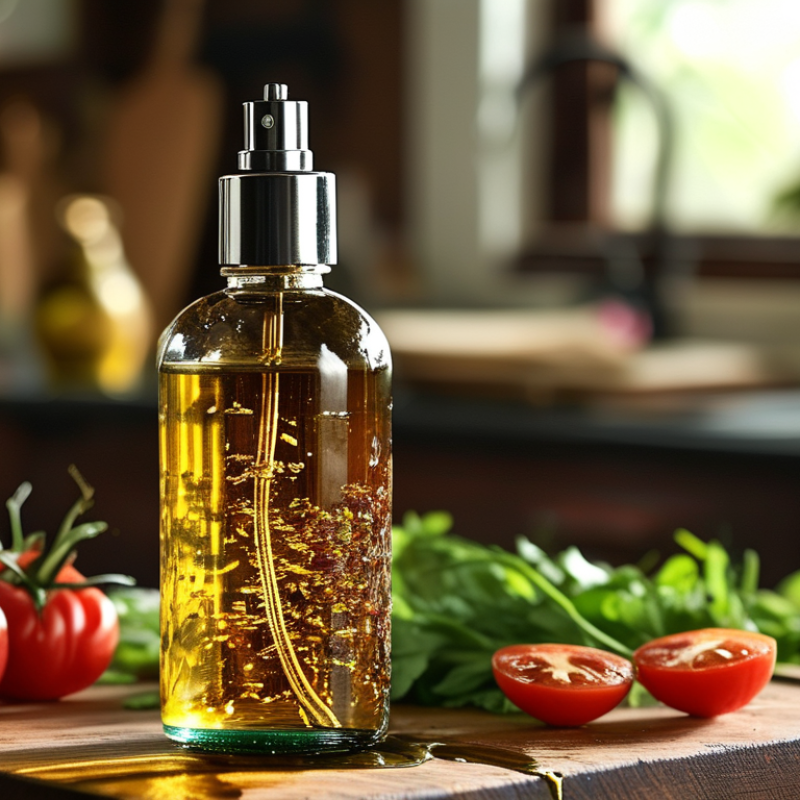
Choosing the right oil sprayer bottle can greatly enhance your cooking experience. Research shows that about 70% of home cooks do not use oil sprayers regularly. This is often due to uncertainty about which type to choose. A good sprayer should deliver a fine mist for even oil distribution. This helps in reducing calorie intake by avoiding excess oil.
When selecting an oil sprayer, consider the material. Glass bottles are more durable and do not interact with oils. On the other hand, plastic sprayers can be lightweight and easier to handle. Also, check the nozzle quality. A clogged or inefficient nozzle can hinder its performance. Some studies indicate that users prefer the convenience of pump or pressurized sprayers over traditional squeeze bottles.
Yet, not all sprayers are created equal. A good sprayer can be an investment, but cheaper options might leak or function poorly. Finding one that fits your specific cooking needs is essential. Look for one that can handle different types of oils, from olive to sprayable blends. Regular maintenance is crucial. Cleaning the nozzle can prevent buildup and keep the sprayer working efficiently. Remember, a great cooking experience often involves trial and error to discover what works best for you.
When selecting the right oil sprayer bottle, understanding the options is key. There are several types available, each serving different cooking needs. Some bottles are designed for cooking oil, while others can hold vinegar or even flavored oils. A glass bottle often offers a premium feel and is easy to clean. However, they can be fragile and heavier.
Plastic oil sprayers are lightweight and durable. They are perfect for outdoor cooking or if you have kids around. Yet, some may leach chemicals into the oil over time. A pump-action sprayer provides a fine mist, allowing for even distribution. On the downside, it may require more effort to operate for larger meals.
Another option is the aerosol-style sprayer. It delivers a quick and convenient spray but often contains propellants. These can alter the taste of your oils, which may affect the dish's quality. As you explore these choices, consider your cooking style and health preferences. Each type has strengths and weaknesses that might not align perfectly with your needs.
Filling your oil sprayer bottle might seem simple, but it requires attention to detail. Start with a clean bottle. Residue from previous oils can affect taste. Use a funnel to avoid spills, ensuring a mess-free transfer. This provides precision and maintains cleanliness in your kitchen.
When selecting oil, consider its viscosity. Thicker oils may clog the nozzle. Test a small amount first. If it doesn’t spray well, switch to a lighter oil. Remember, the right temperature matters. Warm oil flows better, allowing for an even fill. Adjust according to the type of cooking you plan to do.
Don’t overlook the importance of cleaning. Regular maintenance keeps the sprayer functional. Oil can become rancid if left unattended. After each use, rinse the bottle and nozzle. This helps prevent buildup and guarantees peak performance. It’s essential to inspect the bottle frequently. A well-maintained sprayer ensures you enjoy flawless cooking every time.
Using an oil sprayer bottle effectively can elevate your cooking experience.
Firstly, it’s essential to choose the right oil. Different oils have different smoke points. For instance,
olive oil works well for medium heat,
while avocado oil is suitable for high temperatures.
According to a 2021 report by the American Oil Chemists’ Society, understanding oil types helps in making
healthier choices.
The technique of spraying also matters significantly. Holding the sprayer at a distance of about
10-12 inches from your cooking surface creates a fine mist.
This ensures even distribution. A study by the Institute of Culinary Education found that using an oil sprayer
can reduce calorie intake by up to 30% compared to pouring oil directly.
However, over-spraying can lead to a greasy result, which defeats the purpose of using less oil.
Cleaning the sprayer is another important aspect often overlooked. Residue can build up and affect performance.
Regularly empty and wash your bottle to maintain its efficacy. Research
shows a dirty sprayer can introduce unwanted flavors and compromise the freshness of your oils.
Keeping these practices in mind ensures a better cooking outcome with your oil sprayer.
Cleaning and maintaining your oil sprayer bottle is essential for its longevity and performance. A well-maintained bottle ensures even spraying and prevents clogs. Start by rinsing the bottle with warm water immediately after use. This helps to remove oil residues. If necessary, add a drop of dish soap. Shake it gently to clean the inside.
Consider using vinegar for stubborn stains or buildup. Fill the bottle with equal parts vinegar and water. Let it sit for a few hours, then rinse thoroughly. Such methods can improve the longevity of your sprayer. It also maintains the quality of the oil you use.
Tips for maintenance include checking the sprayer nozzle regularly. A blocked nozzle can ruin your cooking experience. Always store the bottle upright to prevent leaks. Finally, keep it out of direct sunlight to protect the oil's integrity. Implementing these practices can enhance your cooking experience immensely.
| Tip | Description | Frequency of Cleaning |
|---|---|---|
| Choose the Right Oil | Opt for oils with high smoke points for better cooking results. | Every Use |
| Store Properly | Keep the sprayer in a cool, dark place to extend oil freshness. | N/A |
| Clean After Use | Rinse with warm water and soap after each use to prevent clogging. | After Each Use |
| Avoid Mixing Oils | Do not mix different types of oil to maintain flavor integrity. | N/A |
| Inspect Regularly | Check for any signs of wear, leaks, or clogs periodically. | Weekly |
: Start with a clean bottle. Use a funnel to avoid spills and ensure a mess-free transfer.
Consider viscosity. Thicker oils may clog the nozzle. Test a small amount before fully filling.
Warm oil flows better for an even fill. Adjust based on your cooking needs for optimal results.
Clean after each use. Rinse the bottle and nozzle to prevent rancidity and buildup.
Olive oil is good for medium heat, while avocado oil suits high temperatures. Understand oil types for health.
Hold it 10-12 inches away for a fine mist and even distribution.
Yes, studies show using a sprayer can cut calorie intake by up to 30% compared to pouring.
Over-spraying can lead to greasiness, which defeats the purpose of using less oil.
Residue can introduce unwanted flavors and compromise the freshness of your oils. Regular cleaning matters.
Regular inspections are key. A functional sprayer guarantees better cooking results and taste.
An Oil Sprayer Bottle is an essential kitchen tool for those looking to enhance their cooking experience. Choosing the right oil sprayer involves considering your cooking needs and the various types available, such as manual and electric models. Each type has unique features that cater to different culinary tasks, ensuring you find the best fit for your kitchen.
Properly filling and using your oil sprayer bottle can significantly improve your cooking techniques, allowing for precise oil application and healthier cooking methods. To maintain its functionality and longevity, regular cleaning and proper maintenance practices are crucial. By following these best practices, you can enjoy the benefits of an oil sprayer bottle for years to come, maximizing flavor while minimizing waste in your culinary endeavors.