In today's kitchens, a Spice Blender has become an essential tool for culinary enthusiasts and home cooks alike. These appliances offer a simple solution for transforming whole spices into vibrant powders. By doing so, they enhance flavor profiles in various dishes. A Spice Blender saves time and effort, allowing cooks to focus on creativity.
The versatility of a Spice Blender is impressive. It can handle various spices, from peppercorns to cinnamon sticks. However, some users may find the learning curve challenging. Understanding the right settings for different spices is crucial. Without proper technique, results may vary, leaving room for improvement.
Using a Spice Blender not only boosts flavors but also preserves nutrients. Freshly ground spices retain their aroma and potency, elevating any recipe. Yet, the maintenance of the blender is often overlooked. Proper cleaning and care are necessary to ensure longevity and maximize performance. Thus, investing in a Spice Blender means embracing both the joys and challenges of spice preparation.
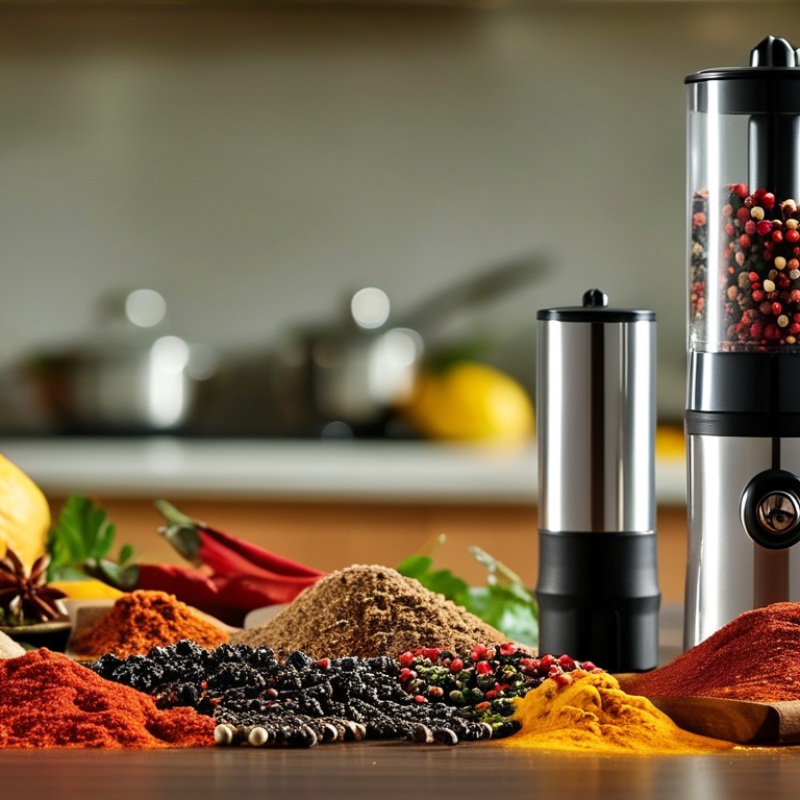
Using a spice blender can elevate your culinary game. With the right tool, fresh spices can enhance the flavor profile of your dishes. A spice blender allows for easy grinding and mixing. The control you gain is unmatched compared to pre-ground alternatives. This freshness retains essential oils and flavors.
For optimal results, consider these tips: Always clean the blender after each use. Leftover spices can alter future blends. Experiment with different spice combinations to find your unique blend. This creativity can lead to exciting culinary discoveries.
Spice blenders offer incredible versatility for various ingredients. Whether you’re grinding peppercorns, blending herbs, or creating spice mixes, these tools can transform your cooking. You can easily adjust the texture, from coarse granules to fine powders. This flexibility ensures that each dish can be tailored to your specific taste.
Using a spice blender allows for experimentation. Mix unusual ingredients to create unique flavors. However, not all spices blend well together. Some combinations may overpower others or create unexpected results. Don't be afraid to try new mixes, but take notes. This way, you can track what works and what doesn’t.
**Tip:** When blending spices, start with small quantities. This minimizes waste if the flavor isn’t right. Always clean your blender between uses to avoid flavor contamination.
Additionally, consider blending fresh herbs along with dry spices. This can introduce a vibrant freshness to your blends. Keep in mind that moisture can affect shelf life. Store mixed spices in airtight containers to maintain their potency longer.
Choosing a spice blender can dramatically enhance your cooking experience. Spice blenders are designed to create unique flavor profiles that elevate dishes. According to a report by the Spices Board of India, almost 50% of chefs believe that freshly blended spices improve the taste of meals significantly. This suggests that using a spice blender can transform how you perceive flavors.
When you blend spices, you unlock essential oils and aromas that remain dormant in pre-ground varieties. The aroma and taste of freshly blended spices can provide depth. Research indicates that the sensory perception of spices can increase overall food satisfaction by 30%. A well-blended mixture can turn a simple dish into an exciting culinary masterpiece. For example, blending cumin, coriander, and turmeric can create a warm, complex base for stews and soups.
However, it’s important to note that not every blend will work for every dish. Experimentation is key. Balancing flavors requires practice. Sometimes, the outcome may not be as expected, prompting reflection on spice ratios or combinations used. Embracing this trial-and-error approach leads to better outcomes in your cooking journey.
When it comes to grinding spices, traditional methods often include mortar and pestles or manual grinders. These methods can be rewarding but are often less efficient. Grinding by hand takes time, and the results may vary, leading to inconsistencies in texture and flavor. With manual grinding, achieving the right fine powder can be challenging, especially for hard spices.
On the other hand, spice blenders offer a more reliable and efficient solution. They can grind a variety of spices quickly and uniformly, eliminating the guesswork. Many spice blenders also come with settings that allow users to control the coarseness or fineness of the grind. This precision can significantly enhance the flavor profile of dishes. Yet, one can't ignore the challenge of over-reliance on machines.
While spice blenders boost convenience, they can lead to a disconnect from the craft of cooking. Some cooks might find that the tactile experience of grinding by hand adds a personal touch to their culinary creations. The choice ultimately comes down to personal preference, and one should weigh the pros and cons of each method.
| Feature | Spice Blender | Traditional Grinding Methods |
|---|---|---|
| Time Efficiency | Very High | Low |
| Ease of Use | Very Easy | Moderate |
| Uniformity of Grind | High | Variable |
| Noise Level | Medium | Low |
| Versatility | High | Low |
| Cleaning and Maintenance | Easy | Moderate |
| Cost | Moderate to High | Low |
When choosing a spice blender, certain features stand out. Look for durability and material quality. A good motor ensures consistent blending. Stainless steel containers resist corrosion. They are also easier to clean.
The blending capacity matters, too. Choose a size that fits your cooking style. A larger container is great for family meals. Smaller ones work well for quick tasks. Consider the design of the blender. The layout should be user-friendly. Simple controls are essential for efficiency.
Noise level is another key aspect. Some blenders can be quite loud. A quieter model makes cooking less chaotic. Look for additional settings. These can offer versatility in spice grinding. Reflect on your preferences. What features do you find most useful? Take the time to weigh your options.
: A spice blender enhances flavors and offers control over grinding spices. Fresh spices retain essential oils and flavors effectively.
Clean the blender after each use to avoid altering future blends. This ensures freshness in your spices every time.
Yes, it can grind seeds, make pastes, and chop herbs. It's versatile and can elevate your cooking.
Durability, motor quality, and stainless steel containers are important. They affect blending consistency and cleaning ease.
Choose a size that matches your cooking style. Larger containers are better for family meals; smaller ones suit quick tasks.
A quieter model helps maintain a calm cooking environment. Consider how noise might affect your overall cooking experience.
Yes, it may take time to master, but experimenting can lead to exciting culinary discoveries. Embrace the process.
Look for user-friendly designs and simple controls. Efficient layouts make using the blender easier and more enjoyable.
Absolutely! Experimenting can uncover unique blends and enhance your dishes. Creativity in seasoning can lead to great results.
A spice blender is an essential tool for modern kitchens, offering numerous benefits for culinary applications. It enhances the versatility of cooking by efficiently grinding and blending a variety of spices and ingredients, allowing home chefs to create complex flavor profiles with ease. Unlike traditional grinding methods, which can be labor-intensive and time-consuming, a spice blender streamlines the process, making it quicker and more consistent.
When choosing a quality spice blender, key features to consider include motor power, capacity, and ease of cleaning. With the right spice blender, cooks can elevate their dishes, experiment with flavors, and enjoy a more enjoyable cooking experience. Overall, investing in a spice blender can transform the way spices are utilized in the kitchen, making it an invaluable addition for any cooking enthusiast.