Choosing an Electric Burr Grinder can transform an ordinary coffee routine into a more controlled and repeatable experience. The difference often appears in the cup: clearer flavor, steadier extraction, and fewer bitter surprises. A capable grinder should produce consistent particles, not just operate quickly. It should also suit your brewing method, kitchen space, and daily habits.
This guide explores seven practical tips for making a confident choice. It considers burr material, grind adjustment, motor performance, noise, retention, cleaning, and warranty support. These details matter when coffee grounds collect beneath the burrs or a coarse setting produces unexpected fines. Small design choices can affect freshness, workflow, and long-term reliability. Real-world testing should include several settings, from a French press grind to a fine espresso range. Look beyond attractive specifications.
Price is only one part of the decision. A cheaper model may offer excellent value, while an expensive grinder may feel frustrating to clean. I once focused too much on grind settings and overlooked how slowly a machine dosed coffee. That was a useful mistake. Convenience deserves careful attention. No grinder is perfect. Even strong models may create static, retain grounds, or sound louder than expected. The best choice balances measurable performance with personal priorities. These tips aim to make that balance easier to judge before purchase.
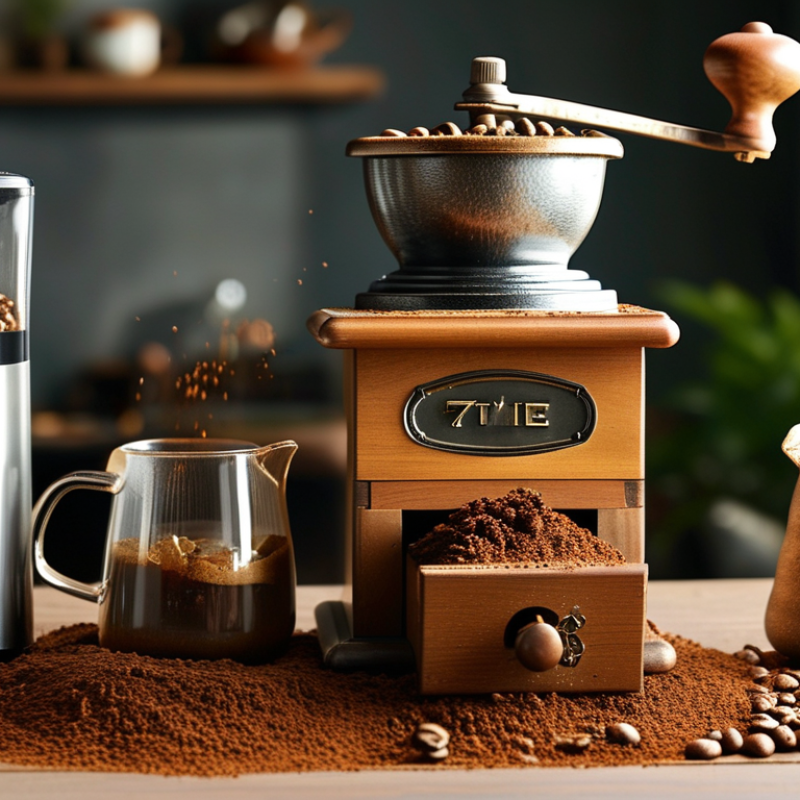
7 Tips for Choosing an Electric Burr Grinder
Assess Burr Quality Through Particle Size and Retention Data
Tip: Ask for particle-size data, not vague claims about “uniform grounds.” A capable grinder should produce a narrow distribution, with fewer powdery fines and oversized pieces. These details affect extraction, sweetness, and bitterness. Look for testing methods, sieve results, or laboratory measurements. However, test conditions matter. Different beans can create different results.
Tip: Check retention data carefully. Retention is the coffee left inside the burr chamber and chute after grinding. Low retention helps maintain freshness and improves dose accuracy. Ask whether the figure includes exchange retention, which is old coffee displaced by new coffee. A grinder showing 0.1 grams in one test may perform differently at home. Temperature, roast level, and dosing speed can change everything.
Tip: Compare results at your intended setting. Espresso needs tighter particle control than filter brewing. A grinder may look excellent for one method and disappointing for another. Watch for repeated measurements, not one impressive sample. Independent testing is more trustworthy when it explains equipment, bean type, grind setting, and sample size.
Tip: Examine the burr design and alignment. Larger burrs are not automatically better. Precise alignment can matter more than diameter.
Tip: Inspect the exit path. Narrow chutes and sharp corners can increase buildup.
Tip: Try several doses. One dose is weak evidence.
Tip: Keep your own notes. My records are not perfectly scientific, but they reveal patterns. I once blamed burr quality for uneven cups, then discovered inconsistent feeding was the real problem. Handle quality, service access, and adjustment stability also deserve attention.
Choosing an electric burr grinder starts with the brewing method, not the appliance’s appearance.
Burr geometry controls how beans break apart, shaping particle size and cup texture. For pour-over coffee, a geometry that produces fewer fines can support a cleaner, brighter cup. Espresso usually benefits from precise adjustment and a narrow particle distribution. French press needs consistency too, but its coarse setting should not create excessive dust.
Motor speed matters, although faster is not automatically better. High RPM can shorten grinding time, but it may increase heat and static in some designs. A slower motor can offer better control for small espresso doses, while a stronger motor may handle repeated coarse grinding more comfortably. Look for adjustable speed when possible. It gives you room to test different beans and recipes.
I once assumed a cooler grind would always taste better. That was too simple. Bean density, roast level, burr alignment, and feeding speed also matter. My practical test is direct: grind the same coffee at two speeds, then compare aroma, clarity, and bitterness after brewing.
Taste decides. Also check whether the grinder retains grounds between settings. A small retained dose can quietly change your next cup. Choose geometry and motor behavior as a pair, then judge the result in your own brewer.
7 Tips for Choosing an Electric Burr Grinder
Compare Grind Adjustments Across Espresso’s 200–300 μm Range
Espresso often works within a narrow 200–300 μm particle range. That range is small, but it can change flow, taste, and extraction speed. Choose a grinder with fine, repeatable adjustments rather than impressive adjustment counts alone. A stepped dial may offer clear settings, while a stepless dial allows smaller corrections. Both can work. The better choice depends on your workflow and patience.
Test the adjustment system near your usual espresso setting. Move one step, then observe the shot time and flavor. Small changes matter. If the grinder jumps from choking the machine to running too quickly, its steps may be too wide. Micro-adjustments are useful when a shot changes after humidity shifts or a new coffee dose. Look for firm controls, clear markings, and minimal movement between settings. A loose dial creates confusion.
Burr alignment and calibration also influence the 200–300 μm range. A grinder may show precise numbers, yet produce uneven particles. Ask whether the burrs remain stable during repeated use. Check retention, because old grounds can distort your next test. I once blamed adjustment quality for a bitter shot, then found stale grounds inside the chute. My testing was flawed. Still, perfect consistency is unrealistic. Compare three shots, record dose and time, and judge the grinder by repeatable control rather than marketing claims. Listen closely. Extraction reveals more than the dial.
7 Tips for Choosing an Electric Burr Grinder
Evaluate dose accuracy before chasing speed. Weigh the beans and ground coffee separately. A dependable grinder should produce repeatable doses with minimal retention. Test three consecutive doses, then check the difference. Small errors become noticeable in espresso recipes. I once trusted the grinder’s timer too much. The scale showed a wider variation than expected. A programmable timer is helpful, but it is not a measurement tool.
Heat rise deserves practical testing. Grind the normal morning dose, then measure the chamber temperature before and after grinding. Warm burrs can influence flavor and may reduce consistency during repeated brewing. Look for airflow, thermal protection, and a motor that does not struggle under load. Noise also matters, especially in shared homes. Compare sound during startup and grinding. A harsh, rattling tone may suggest vibration or poor alignment. Quiet is useful.
Energy performance involves more than wattage. A high-power motor may finish quickly, yet consume more electricity during frequent use. Check the rated power, standby behavior, and grinding time per dose. Efficient operation should balance speed, torque, and heat control. Seven practical checks include dose consistency, retention, calibration, temperature rise, noise, power use, and cleaning access. I would also inspect the burr adjustment mechanism. Numbers alone can mislead. Fresh testing at home often reveals details that specifications omit.
| Tip | Evaluation Dimension | Recommended Target | Practical Acceptance Range | How to Check It | Why It Matters |
|---|---|---|---|---|---|
| 1 | Check dose accuracy | Within ±0.2 g for a 20 g dose | Average error of no more than ±1% across five consecutive doses | Weigh the beans before grinding and the ground coffee afterward using a scale with at least 0.1 g resolution. | Consistent dosing reduces recipe variation and makes espresso or filter brewing easier to repeat. |
| 2 | Measure heat rise | Ground-coffee temperature increase of less than 10°C during a normal dose | Approximately 5–15°C, depending on grind size, burr speed, and duty cycle | Measure the coffee temperature immediately before grinding and directly after grinding under the same room conditions. | Lower heat buildup helps protect aroma and limits flavor changes during repeated grinding. |
| 3 | Compare operating noise | Sound level below 70 dB(A) at approximately 1 meter | 60–75 dB(A) is a practical range for household use | Use a calibrated sound-level meter or a consistent smartphone app, keeping the distance and room conditions unchanged. | Lower noise improves comfort in shared kitchens and reduces disturbance during early-morning use. |
| 4 | Review energy performance | Energy use of roughly 0.01–0.03 kWh for a 20 g dose | Most domestic grinders should remain below 0.05 kWh per dose | Measure electricity consumption with a plug-in power meter during several identical grinding cycles. | Grinding is usually a short task, so efficient motors can reduce unnecessary electricity use and heat production. |
| 5 | Evaluate grind consistency | Uniform particle distribution with minimal visible fines and boulders | For espresso, choose a grinder capable of fine, repeatable adjustments; for filter coffee, prioritize even medium-to-coarse output. | Grind the same coffee at the same setting several times and compare extraction time, flavor, and particle distribution. | More uniform grounds generally support balanced extraction and reduce the risk of simultaneous under-extraction and over-extraction. |
| 6 | Measure retention and exchange | Retained coffee of less than 0.5 g after a normal grinding cycle | Under 1.0 g is suitable for many home users; lower is preferable for single dosing. | Run a weighed dose through the grinder, weigh the output, and repeat the test after cleaning and after changing beans. | Low retention improves dose accuracy, reduces stale coffee inside the grinder, and makes switching coffees easier. |
| 7 | Assess adjustment and maintenance | Clearly marked settings, stable burr alignment, and tool-free access for routine cleaning | Look for at least 20–40 usable settings or continuous adjustment, plus removable burr access. | Change between fine and coarse settings, check for unwanted movement, and time the routine cleaning process. | Precise adjustment supports different brewing methods, while easy maintenance helps preserve performance and hygiene. |
Choosing an electric burr grinder requires more than comparing grind settings and motor power. In practical testing, I check how stable the machine feels, how evenly it grinds, and whether its safety information is easy to verify. A low price can become expensive when repairs are difficult or parts are unavailable.
Tip 1: Check safety compliance before buying. Look for clear electrical ratings, safety markings, and instructions written for your market. The documentation should explain overheating protection, cleaning limits, and safe handling near water. Do not trust a vague “professional grade” claim. Verify the details through official product documents or an authorized seller.
Tip 2: Examine serviceability closely. Can you remove the burrs without damaging small screws? Are replacement burrs, switches, seals, and containers sold separately? A grinder that opens cleanly is easier to maintain. However, some removable parts feel fragile. I once valued easy access, then noticed the locking clips loosened after repeated cleaning. That changed my assessment.
Tip 3: Read the warranty conditions, not only its length. Check labor coverage, shipping responsibility, exclusions, and service locations. A long warranty may still be inconvenient if every repair requires overseas shipping. Also compare replacement costs before purchase. A motor failure might justify replacement, while worn burrs should usually be affordable to renew. Keep your receipt and record the model number. Small details matter.
Use this suggested weighting to compare models objectively. Prioritize safety compliance, ease of servicing, warranty coverage, and the long-term cost of replacement parts before comparing convenience features.
How to use it: Confirm recognized electrical safety certification, check whether burrs and key parts can be replaced, read the warranty conditions, and estimate replacement-part costs over the expected service life.
: Ask for particle-size data, sieve results, or repeated laboratory measurements. A narrow distribution usually means fewer powdery fines and oversized pieces. Do not trust vague claims alone. Different beans may produce different results.
Retention is coffee left inside the burr chamber and chute. Low retention can improve freshness and dose accuracy. Ask whether the measurement includes exchange retention. A displayed 0.1-gram result may change at home.
One dose provides weak evidence. Grind three or more doses using the same beans and setting. Check whether the weight changes between the first and later doses. My own records are imperfect, but patterns become visible.
Not automatically. Burr alignment can matter more than diameter. Poor alignment may create uneven particles, even with large burrs. Inspect the exit path too. Narrow corners can collect old grounds.
Pour-over often benefits from fewer fines and a cleaner texture. Espresso needs precise adjustment and tight particle control. French press still needs consistency at a coarse setting. Too much dust can make the cup muddy.
No. High speed can shorten grinding time but may increase heat and static. A slower motor may offer better control for small doses. Test the same coffee at two speeds and compare bitterness, aroma, and clarity.
Verify electrical ratings, safety markings, and instructions for your market. Check overheating protection and cleaning limits. Look for separate replacement burrs, switches, seals, and containers. Easy access is useful, but fragile clips can loosen after repeated cleaning.
Read the coverage, exclusions, shipping duties, and service locations. A long warranty may be inconvenient if repairs require distant shipping. Compare replacement-part prices before buying. I once focused on warranty length and overlooked repair logistics. That was not a complete assessment.
Choosing an Electric Burr Grinder requires more than comparing price or appearance. Start by examining burr quality through particle-size consistency and retention data, since a uniform grind supports better extraction and reduces wasted coffee. Match the burr geometry and motor speed to your preferred brewing methods, then check whether the grinder offers precise adjustments within the approximately 200–300 μm range needed for espresso. Clear, repeatable settings can make dialing in much easier.
Also evaluate practical performance, including dose accuracy, heat rise during repeated grinding, operating noise, and energy use. A reliable grinder should deliver consistent results without excessive warming or waste. Finally, review safety compliance, ease of cleaning and servicing, warranty coverage, and the long-term cost of replacement burrs and other parts. Considering these factors together will help you select an Electric Burr Grinder that fits your brewing routine, performs consistently, and remains economical and dependable over time.