In recent years, the demand for portable blenders has soared, reflecting a shift in how consumers prioritize convenience and health. According to a market report by Allied Market Research, the global portable blender market is projected to grow significantly, reaching $523 million by 2026. This rise is driven by a growing focus on nutrition and the consumption of smoothies and shakes on-the-go.
Portable blenders are now designed to be user-friendly and efficient, catering to busy lifestyles. Features like USB charging and different blending speeds make them appealing to tech-savvy consumers. However, the variety of options can lead to confusion. Not all portable blenders are created equal, and some may not meet user expectations. A detailed evaluation of quality, performance, and durability is essential for making an informed choice.
As we delve into the top ten portable blenders for 2026, it's crucial to consider both their benefits and limitations. In a market flooded with choices, understanding what each model offers can help consumers find the perfect fit for their smoothie needs.
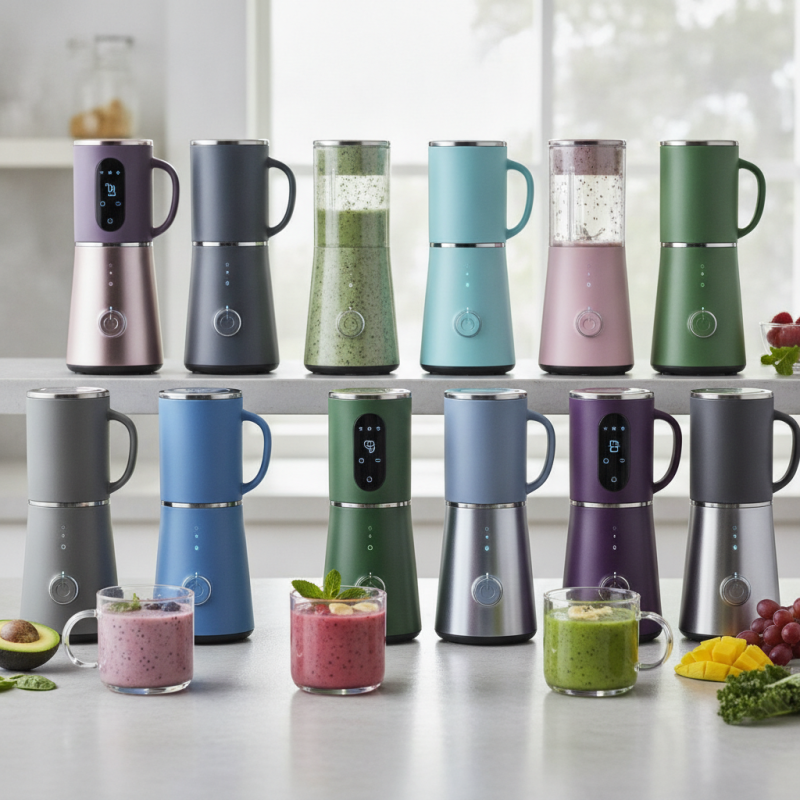
When selecting a portable blender for smoothies, several features are crucial. The power of the motor plays a vital role. A motor with at least 300 watts can blend fruits and ice effectively. Additionally, blade quality is essential. Stainless steel blades are sharp and durable, ensuring smooth consistency.
Battery life is another important factor. The ideal portable blender should last for at least 10 blends on a single charge. Look for models with quick charging capabilities. A lightweight design is also necessary. This ensures you can carry it easily on trips or workouts.
Tips: Always check the capacity of the blending jar. A larger jar can handle more ingredients, but it may add bulk. Ensure the lid seals tightly to avoid spills while blending. Lastly, consider ease of cleaning. Some blenders have self-cleaning features, saving you time. Think about the use-case—what will you blend most often? Reflect on these features for your perfect smoothie maker.
The portable blender market is witnessing significant growth as more consumers prioritize convenience and healthy eating. According to a recent industry report, sales in this sector are projected to reach $500 million by 2026, reflecting an annual growth rate of 15%. This surge is driven by the increasing popularity of on-the-go lifestyles and the rising awareness of nutrition.
Recent trends indicate that millennials and Gen Z are leading the charge in portable blender usage. A survey conducted in 2023 revealed that 70% of respondents in these age groups prefer using portable blenders for daily smoothies. This demographic change is reshaping how brands market their products. Many consumers seek lightweight, rechargeable models for travel, signaling a shift in design preferences.
Despite the remarkable growth, there are challenges to address. Quality control remains a concern, with many low-cost options failing prematurely. Consumer feedback highlights the need for more robust materials. Additionally, performance inconsistencies in blending power can disappoint users. Industry experts believe addressing these shortcomings will be essential for sustaining growth in this competitive market.
When selecting a portable blender, motor power and blade design are crucial factors. A strong motor ensures smooth blending. According to a recent industry report, portable blenders with motors above 300 watts perform better. They handle tougher ingredients like frozen fruits and leafy greens more efficiently.
Blade design also plays a significant role. Blenders with four to six blades can create finer textures. Sharp, stainless-steel blades tend to blend ingredients more uniformly. Industry studies show that blenders with varying blade angles improve efficiency and reduce blending time. Users often report inconsistent results with less well-designed blades.
However, higher power can mean less battery efficiency. Some portable blenders sacrifice battery life for power. Users may find themselves recharging frequently. It can be frustrating when a blender does not last through the day. Balancing power and battery life is essential for daily use. Advising consumers to carefully review specifications is necessary.
In 2026, the popularity of portable blenders skyrocketed. Users are increasingly seeking convenience for their smoothie needs. Many consumers appreciate being able to enjoy healthy drinks on-the-go. User reviews highlight a mix of satisfaction and frustration with these devices. Some blenders work well for fruit smoothies. Others struggle with leafy greens.
Satisfaction ratings vary widely across models. Many users emphasize power and portability as key features. Some reviews note that smaller blenders can lack the performance of full-sized ones. Noise levels also drew mixed feedback. While some enjoy the quick blending, others find it disruptive.
Durability is another frequent concern. Users expect their blenders to last, but some experience premature wear and tear. The ease of cleaning is a recurring theme in reviews. Many prefer models that are simple to disassemble. Some blenders fall short in this area. Overall, individual experiences differ significantly and reflect the evolving needs of users.
Homemade smoothies offer numerous health benefits compared to store-bought options. A study from the Journal of Nutrition reports that homemade smoothies contain significantly fewer preservatives and added sugars. This is crucial for individuals monitoring their caloric intake. On average, a homemade smoothie can save consumers up to 100 calories per serving compared to many popular store options.
Making smoothies at home allows for better control over ingredients. Health experts recommend incorporating a balance of fruits, vegetables, and protein. This enhances the nutrient content, providing essential vitamins and minerals. A survey by the American Dietetic Association found that homemade smoothies typically have 30% more fiber than their store-bought counterparts, which promotes better digestion and satiety.
However, the convenience of store-bought options is undeniable. Many people struggle with time and consistency in their smoothie-making routine. This may lead to reliance on pre-packaged choices, which often lack the freshness and health benefits of homemade versions. The challenge lies in finding that balance between convenience and nutrition. On occasion, individuals may find themselves opting for a quick fix rather than a wholesome homemade blend, missing out on the potential health advantages.
: Look for at least 300 watts for effective blending of fruits and ice.
Blade quality is essential. Stainless steel blades provide sharpness and durability for smooth results.
A portable blender should last for at least 10 blends per charge. Check for quick charging options.
A larger jar can blend more at once, but it may also be bulkier and harder to carry.
Ensure the lid seals tightly. This prevents messy spills during the blending process.
Self-cleaning can save time but may not be necessary for everyone. Evaluate your cleaning habits.
Smaller blenders often struggle compared to full-sized ones. They might lack the necessary power for tough ingredients.
Satisfaction varies widely. Common issues include performance with leafy greens and durability concerns.
Some users enjoy the quick blending noise, while others find it disruptive and annoying.
High power can reduce battery life. Some users find themselves recharging frequently, which can be frustrating.
In the rapidly evolving market of kitchen appliances, portable blenders have gained significant popularity, especially for smoothie enthusiasts. When selecting a portable blender, key features to consider include motor power, blade design, and ease of use. As the demand for convenience and healthy living rises, market trends indicate a continual growth in portable blender sales, with projections for 2026 showing increased consumer interest.
User reviews highlight the satisfaction of those who prefer homemade smoothies over store-bought options, underscoring the versatility and health benefits of using a portable blender. By blending fresh ingredients on the go, users can easily customize their smoothies to suit dietary preferences and nutritional needs, promoting a healthier lifestyle overall.