Why Choose an Automatic Burr Grinder for Your Business?

Time:2026-09-28 Author:Amelia
0%

A busy café can lose consistency one dose at a time. An Automatic Burr Grinder helps staff produce more uniform grounds, adjust particle size for different brew methods, and prepare orders with less manual effort. The U.S. National Coffee Association’s 2024 National Coffee Data Trends report found that 67% of American adults drank coffee in the past day. That demand makes repeatable preparation a practical business concern, not merely a technical preference.

Coffee consultant Scott Rao is often associated with this concise advice: “The grinder is the most important piece of coffee equipment.” The wording captures a useful principle, though a capable grinder cannot rescue stale beans, poor storage, or rushed calibration. That limitation matters. Burr design, dose consistency, speed, and ease of cleaning all deserve attention when comparing commercial models. Staff should also test settings with the beans and recipes they actually serve; a dial number alone proves little.

For owners, an Automatic Burr Grinder can support a steadier cup during the morning rush, when a barista may need to switch between espresso and batch brew. The payoff is not automatic. Teams need training, regular cleaning, and occasional adjustment as beans age or humidity changes. Those small tasks can be overlooked. But when matched to a shop’s volume and workflow, the right grinder can reduce avoidable variation and make service more dependable.
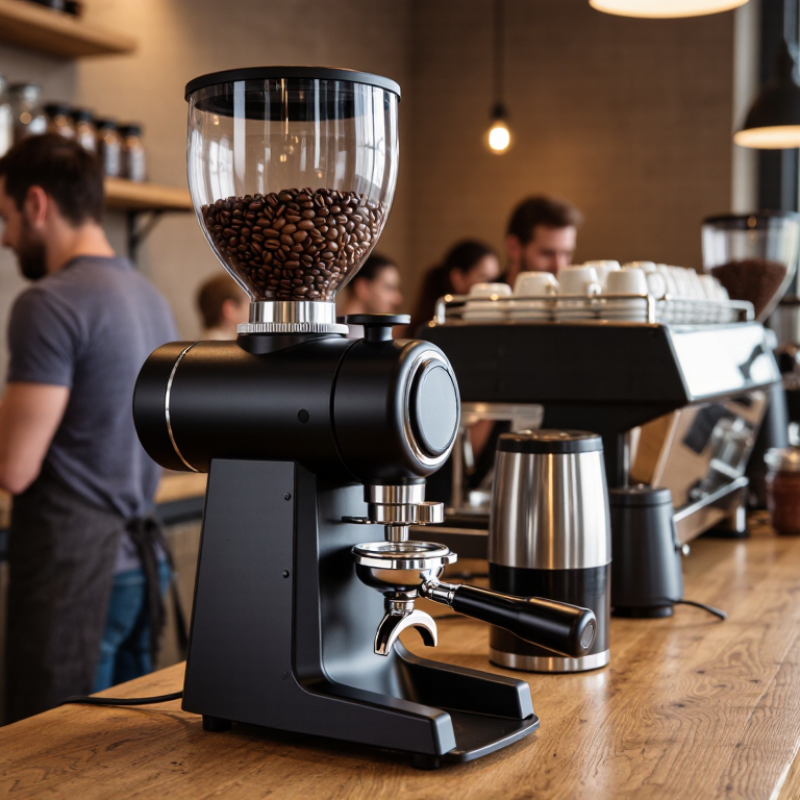
Why Choose an Automatic Burr Grinder for Your Business?

What an Automatic Burr Grinder Does in a Commercial Coffee Workflow

In a commercial coffee workflow, an automatic burr grinder sits between bean storage and espresso preparation. The barista selects a dose or grind setting, and the machine meters beans before grinding them between burrs. Unlike blade chopping, burrs produce a more consistent particle size. That matters when a café pulls repeated shots during a rush. A steady dose can reduce corrections at the espresso machine and help staff move from grinding to tamping without weighing every basket by hand. Less fuss. Not no work.

Grind size still needs attention. Changes in humidity, bean age, or roast can affect how quickly espresso flows, so staff may adjust the setting and check shot time. After an adjustment, a small purge helps clear grounds left in the chute. Automatic dosing can also drift if the grinder is poorly maintained or the coffee flow changes. Cleaning burrs and checking the dose are part of the routine, not optional extras. Automation supports consistency, but it cannot judge a shot’s taste; that still takes a trained person and a little patience. And some mornings, the first setting is simply wrong.

How Burr Grinding Supports the SCA’s 18–22% Extraction-Yield Range

For a café or office, an automatic burr grinder can make daily brewing more repeatable. Its paired burrs break beans into a more controlled range of particle sizes than many blade grinders. That matters because water extracts small particles quickly and larger ones slowly. Uneven grounds can produce a cup that tastes both sharp and dry.

The SCA’s commonly cited 18–22% extraction-yield range offers a useful reference, not a guarantee of good flavor. Extraction yield describes how much soluble material moves from the coffee dose into the beverage. A burr grinder helps by limiting extreme differences in particle size, while automatic dosing can reduce variation between busy shifts. Small differences matter. Grind size, dose, water temperature, and brew time still need attention. A refractometer can help check results, but taste remains essential.

A shop might weigh a dose, brew a test batch, and adjust the grind when the cup tastes hollow or harsh. Roast age and humidity can shift the result, so yesterday’s setting may not work today. That is not magic. An automatic grinder does not place every coffee neatly inside the target range, and the range itself is not a scorecard. Use it as a practical starting point, then record adjustments and judge each brew on its own.

Why Programmable Dosing Matters for Repeatable 55 g/L Brewing

For a café brewing at 55 g/L, a one-liter batch calls for 55 grams of coffee. A two-liter brewer needs 110 grams. Programmable dosing helps staff set a repeatable portion instead of judging each dose by eye. Small differences matter. Too little coffee can make a batch taste thin; too much may slow the brew and push bitterness forward.

Consistency takes more than pressing a button. Many grinders use timed dosing, so changes in grind size, bean density, or hopper level can affect the amount dispensed. Keep a small digital scale beside the grinder. Check the dose during setup, then recheck it when beans or settings change. That extra step is easy to skip during a busy morning. It is also where a recipe can drift.

A stored setting gives different staff members a useful starting point. They can dose, brew, and compare results across shifts. Record the grind setting and dose alongside the recipe. If the cup tastes sharper than expected, adjust carefully and taste again. Programmable dosing supports repeatability, but it cannot judge flavor for you.

How Faster, Consistent Grinding Can Improve High-Volume Service

During a morning rush, grinding should not become the bottleneck. The National Coffee Association’s 2024 National Coffee Data Trends report found that 67% of U.S. adults had coffee the previous day, the highest share in two decades. For busy cafés and restaurants, steady demand makes small delays add up. An automatic burr grinder can reduce repetitive steps and produce a more even grind than many basic blade grinders. That means staff can spend less time adjusting each dose and more time steaming milk, taking orders, or clearing the pass.

Consistency shows up in the cup and on the counter. A stable grind helps baristas repeat brew times and flavors across successive orders. During a rush, that can mean fewer shots running too fast, less wasted coffee, and fewer remakes. Set the grinder near the espresso machine, keep the hopper topped up, and check the grind when beans or humidity change. Automation is not magic. Burrs wear, and settings can drift; a quick taste check still matters. Track shot times and waste for a week before changing the workflow. The numbers may reveal a bottleneck you did not expect.

What Businesses Should Compare: Capacity, Settings, Cleaning, and Cost

Why Choose an Automatic Burr Grinder for Your Business?

For a busy café, compare usable capacity with peak-hour demand, not just hopper size. The National Coffee Association’s 2024 National Coffee Data Trends report found that 67% of U.S. adults had coffee the previous day, a 20-year high. That signals broad demand, not a sales forecast for your shop. Track your own drink orders before choosing a grinder. A large hopper can save refills, but stale beans are a poor trade-off.

Settings affect consistency across changing beans and drinks. The Specialty Coffee Association’s Brewing Control Chart identifies 18–22% extraction as a commonly recommended range for brewed coffee. A grinder with clear, repeatable adjustments can help staff dial in a recipe and reduce wasted shots. Test the controls during a busy shift. Tiny steps can frustrate new staff. They can also help skilled baristas.

Cleaning deserves a hands-on check. Look for accessible burrs, a removable hopper, and parts that staff can clean without tools. Ask how often routine cleaning is recommended, then account for labor and downtime. Compare purchase price with burr replacement, service, and expected daily use. Cheap upfront? Not always cheap later. No specification sheet can fully predict a real café’s workflow; test noise, retention, and adjustment speed with your own beans before buying.

Why Choose an Automatic Burr Grinder for Your Business?

Compare hopper capacity alongside grind adjustment, cleaning access, and total cost. The chart shows indicative hopper capacities for three common commercial-use profiles; actual specifications vary by model.

What to compare: A larger hopper can reduce refills during busy periods, but it does not guarantee higher grinding speed. Check whether grind adjustment is stepped or stepless, how easily burrs and chutes can be cleaned, and the purchase and maintenance costs together.

FAQS

What does an automatic burr grinder do in a café?

It meters beans and grinds them between paired burrs. Staff can move from grinding to tamping with fewer manual steps. Less fuss, not no work.

How is burr grinding different from blade grinding?

Burrs usually create a more consistent particle size than blade chopping. More even grounds can help shots flow more predictably.

Does automatic dosing guarantee the same espresso every time?

No. Dose delivery can drift if coffee flow changes or the grinder needs cleaning. Check the dose and taste the shot.

Why might staff change the grind setting?

Humidity, bean age, and roast can change how quickly espresso flows. A shot running too fast may need a finer setting. Yesterday’s setting may fail today.

What does the 18–22% extraction range mean?

It is a commonly cited reference for how much soluble coffee material enters the drink. It is not a guarantee of good flavor.

How can a café check a grind adjustment?

Pull a test shot and note its time and taste. A hollow or harsh cup may signal a need to adjust. Small changes count.

Can an automatic grinder reduce delays during a busy shift?

It can cut repetitive dosing steps and help staff prepare successive shots more consistently. Place it near the espresso machine and keep the hopper topped up.

What maintenance does an automatic burr grinder need?

Clean the burrs and check dose consistency regularly. After changing settings, purge a small amount of coffee to clear the chute. Easy to forget.

Conclusion

An Automatic Burr Grinder can make a commercial coffee workflow more consistent by producing a controlled grind size and supporting reliable preparation during busy service. Burr grinding helps create a more even bed of coffee, giving businesses better control over extraction and making it easier to work toward the Specialty Coffee Association’s commonly cited 18–22% extraction-yield range. Programmable dosing adds another layer of repeatability: setting a dose to match a 55 g/L brewing ratio can reduce guesswork and help staff prepare similar batches throughout the day.

For high-volume service, fast, consistent grinding can support smoother operations and shorter waits without sacrificing control. Before choosing a grinder, businesses should compare hopper and grounds capacity, available grind settings, ease of cleaning, and overall cost. The right fit depends on expected demand, brewing methods, and how much time staff can dedicate to upkeep. A considered choice can help balance speed, consistency, and day-to-day practicality.


Amelia

Amelia

Amelia is a seasoned marketing professional with a wealth of expertise in our company’s core offerings. With an unwavering passion for driving growth and innovation, she plays a pivotal role in shaping our marketing strategies and enhancing brand visibility. A key aspect of her responsibilities......